
道場TOP ネタ一覧 shoppq道場
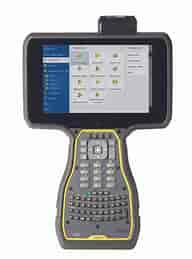
The TRIMBLE TSC7: Redefining Rugged Field Computing for Surveyors
- ◇評価 0ポイント
- ◇閲覧回数 42回
- ◇登録日
- 2025年12月22日
-
- aline
- 道場主
Lv.19
1. Introduction and First Impressions
The Trimble TSC7 controller makes a powerful first impression by successfully combining the best attributes of a modern tablet, a capable laptop, and a purpose-built rugged field controller into a single, cohesive device. Upon handling it, you immediately sense its robust construction. The device feels solid and substantial in hand, engineered to inspire confidence for demanding fieldwork. This initial feel is backed by a design and build quality that meets stringent military specifications (MIL-SPEC), promising reliability in any environment. It is a tool clearly designed not just for technology's sake, but to streamline surveying workflows and connect professionals directly to their data and tasks with maximum efficiency.
2. Design and Build
The TSC7's design philosophy centers on uncompromising durability and user-centric functionality.
Rugged Advantage: Its greatest design strength is its ruggedness. Built to military standards, it is engineered to withstand the harsh conditions of field work—be it dust, moisture, or accidental drops—ensuring operation can continue "anywhere and anytime".
Ergonomic Form: The controller features an ergonomic form factor designed for extended use in the field. It includes a backlit keypad with customizable button commands and tactile feedback, allowing for efficient data entry and function control even with gloves on or in low-light conditions.
3. Core Performance and User Experience
At its heart, the TSC7 is a powerful field computer designed to handle complex tasks.
Hardware Configuration: It is equipped with an Intel Pentium quad-core processor, 8 GB of RAM, and ample internal storage. This hardware foundation is capable of managing large project files, complex imagery, and 3D data directly in the field.
4. Identifying a Key Challenge
Despite its robust hardware, some users have reported a significant challenge related to data synchronization workflows. Transitioning from older Trimble controllers (like the TSC2 or TSC3), users found the updated synchronization process on the TSC7—centered around Trimble Connect and Trimble Sync Manager—to be less straightforward and more time-consuming than the simple "click and sync" method they were accustomed to.
5. Solution Implementation Guide
For users facing synchronization challenges, here is a practical guide based on community-sourced solutions.
Preparation: Ensure your TSC7 has an active internet connection and that you are logged into your Trimble Connect account on both the controller and your office computer. Have your project files uploaded to Trimble Connect.
Step-by-Step Guide: Two primary methods exist within the Trimble ecosystem:
Using Trimble Sync Manager (for Trimble Access 2018 and later): This is the modern, task-based approach. Use the Trimble Sync Manager desktop application to prepare jobs and project reference files in the cloud. These will then be available for download directly within the Trimble Access software on your TSC7.
Alternative Path for a File-Based Sync: Some users have achieved a workflow closer to the older style by utilizing Trimble Connect Sync. This application can be installed on both the office PC and the TSC7, allowing you to map specific project folders for synchronization. Another advanced workaround involved by some professionals is configuring the older TabletSync utility from Trimble Access 2017 to work with newer versions, though this requires specific IT setup for static IP addresses and can be complex.
6. Value Summary and Recommendation
The Trimble TSC7 stands out as a premier field controller by delivering rugged, uncompromising performance in a versatile package. Its core advantages are its military-grade toughness, its powerful hardware optimized for Trimble Access, and its flexible Windows environment.
It is highly recommended for surveying and geospatial professionals who need a single, durable device to run complex field applications and manage large datasets in challenging environments. While adapting to its modern cloud-based synchronization may require an initial learning curve, the investment is outweighed by the gains in field efficiency, data reliability, and hardware durability. The TSC7 truly embodies the fusion of rugged field-worthiness with advanced computing power.
TRIMBLE 3150mAh 7.27V 121300 121320 Battery for TRIMBLE TSC7
|
|
【キーワード】
登録されていません
|

|
  |

|
ブログ? そんなの必要ありません! 今日から、いきなりアフィリエイトスタート!
【まにあ道アフィリエイト】まにあ道ならAmazonアソシエイトIDを利用してネタを書くだけで、お気軽に始めていただけます。





 シュリのおすすめネタ
 この道場の人気ネタ
-

HITACHI 3285118-A Ni-MH Batteries: A w... -
New Battery Laptop Batteries SAMSUNG 1... -
New battery C34 10600nAh/41.02Wh 3.87V... -
MEDION Akoya E4271: An Affordable 2-in... -
New battery CVK400-AA-SLL-A 3500mAh/12...
このネタをソーシャルブックマークに登録する
 まにあ道の人気ネタ
-
「ロボットじゃない」ユ・スンホ、チェ・スビンとの初キスに困惑 -
期間割引通販価格, 電池、PC電源の通販!新品 -
亀にあげてはダメな餌・食べ物 一覧 -
au版やドコモ版のiPhone5発売の可能性はあるのか? -
パソコンに水をこぼしてしまった時の対処方法
コメントはまだありません。